
The NSW Legislative Council’s Standing Committee on Social Issues is conducting an inquiry into the state of live music in New South Wales, including in the regions.
Part of the aims is to see how far we’ve come since the 2017 inquiry into the music and arts economy which found that music venues were in crisis and struggling due to restrictions around planning, liquor licensing and noise.
The new inquiry will also examine the progress of the NSW Government’s Contemporary Music Strategy, as well as the ‘Vibrancy Reforms’ which address legislative, planning and other issues which affect the live music industry.
The members of the inquiry want suggestions for improvements from music industry stakeholders. They want to learn your ideas about how to establish and protect live music venues, increase audiences, support musicians’ careers, and reduce regulatory burdens.
Plus the all-important ways to get government funding supporting live music.
Submissions to the inquiry are open until 27 February 2026. Further information about the inquiry, including the full terms of reference, is available on the committee’s website.
Below is the submission STA made on to the inquiry to support better outcome for live music across the STA Region.
Feel free to copy and paste any text or point to work up into your own submission:
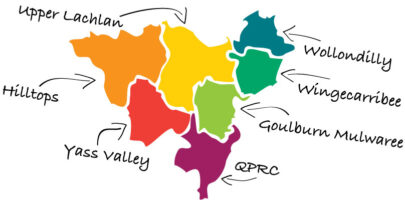
STA welcomes the opportunity to make a submission to the Inquiry into the State of Live Music in New South Wales. STA is the Regional Arts Development Organisation (RADO) servicing the STA region which includes the local government areas of Goulburn Mulwaree Council, Hilltops Council, Queanbeyan-Palerang Regional Council, Upper Lachlan Shire, Wingecarribee Shire, Wollondilly Shire and Yass Valley Council.
STA works closely with musicians, venues, councils, educators, community organisations and audiences across these regions. Through this work, we see both the resilience of regional live music and the systemic challenges that continue to limit its sustainability. This submission draws on STA’s direct engagement with artists and communities, as well as observed activity across the 2025–26 summer period, to provide insight into the current state of live music across the STA Reion.
The Current Live Music Landscape in the STA Region
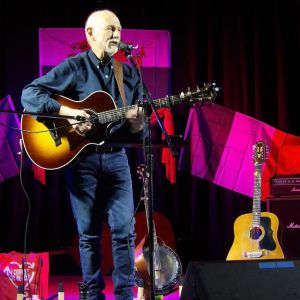
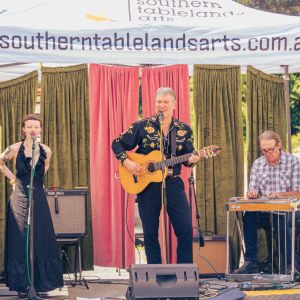
Across the Southern Tablelands, live music activity remains largely intermittent, seasonal and event-based, rather than embedded in a sustainable year-round ecosystem. Since November 2025, live music activity has primarily occurred through:
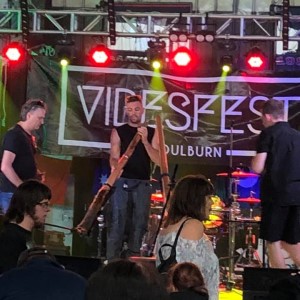
- Council-supported festivals and civic events (e.g. Vibefest Goulburn, Arts Alive in Wollondilly and Tulip Time on Wingecaribee)
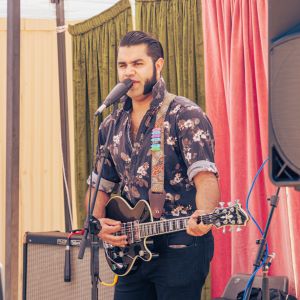
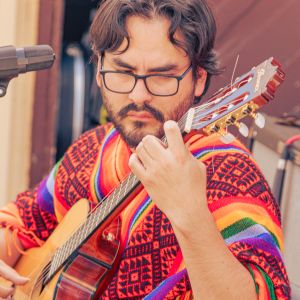
- Community-led festivals (e.g. Bundanoon Folk Festival, Dam Fest)
- One-off touring performances in civic venues such as the Wollondilly Performing Arts Centre, Goulburn Performing Arts Centre and Q Performing Arts Centre
- Irregular pub, club and open-mic style programming
While these activities demonstrate strong community appetite for live music, they do not translate into consistent paid employment for musicians. In many LGAs, musicians may access only a handful of paid gigs per year within their own region, requiring significant travel or relocation to pursue professional careers.
Key Challenges Facing Live Music in Regional NSW
- Decline and Fragility of Live Music Venues
STA has observed a long-term decline in dedicated live music venues across the Southern Tablelands. Many towns rely on a small number of pubs, clubs or community halls, often without appropriate acoustic treatment, technical capacity or business models that support regular live music programming.
Rising operational costs, insurance, compliance requirements and staffing pressures have made it increasingly difficult for regional venues to host live music, particularly original music. When venues do close or cease programming, there are often no alternative spaces available.
- Limited Diversity of Supported Music Styles
Where live music is programmed, it is often restricted to commercially familiar styles such as cover bands or solo acoustic performers. Original music, experimental genres, culturally diverse practices and emerging artists struggle to find platforms in regional settings.
This limitation affects artistic development and audience growth. Without exposure to diverse music experiences, regional audiences are less likely to engage with new work, creating a self-perpetuating cycle of risk aversion.
- Lack of Professional and Paid Opportunities for Regional Musicians
STA consistently hears from musicians that paid opportunities are scarce and fees are often below industry standards. Many musicians are expected to perform for “exposure”, minimal honorariums or in exchange for non-financial benefits.
This environment is unsustainable and contributes to:
- Loss of emerging talent to metropolitan areas
- Burnout among established musicians
- Reduced intergenerational knowledge transfer within communities
Live music cannot thrive without fair remuneration for artists.
- Lack of Access to Music Education
There are limited (and declining) musical education opportunities and programs operating in public schools and limited tertiary-level music courses located within the STA Region.
This creates a significant barrier for regional creatives and weakens long-term regional music ecosystems. While community music education plays an essential role, it cannot replace professional education pathways.
A lack of public education and awareness around the value of live music and supporting local musicians and live music venues.
- Limited Networking and Industry Development Opportunities
Regional musicians have limited access to:
- Industry networks
- Mentorship from established professionals
- Showcases and professional development pathways
Isolation from industry decision-makers reduces career progression opportunities and limits the ability of regional musicians to connect with touring circuits, agents and presenters.
- Reduced Access to Affordable Rehearsal and Practice Spaces
Affordable, fit-for-purpose rehearsal spaces are extremely limited across the region. Musicians often rehearse in unsuitable or informal environments, impacting the quality of live performance and professional readiness.
Purpose-built spaces are critical infrastructure for live music ecosystems but are rarely prioritised in regional planning.
- Seasonal Variation and Inconsistent Activity
Live music opportunities peak during summer festivals and holiday periods, followed by long periods of limited activity. This seasonality makes it difficult for musicians to maintain stable income streams and discourages long-term career planning within the region.
Existing Strengths and Positive Initiatives
Despite these challenges, STA acknowledges and celebrates several strong foundations for live music in the STA Region:
- Vibefest Goulburn demonstrates the positive impact of council investment in inclusive, accessible live music events.
- The Bundanoon Folk Festival has established a strong reputation for quality programming and regional tourism benefits.
- Yazz Bar in Yass is a small wine bar with a strong commitment to live music.
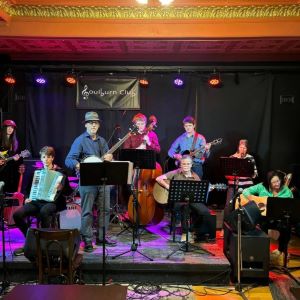
- The Goulburn Club runs a dedicated program of live music. This venue is run by volunteers and has been a centre for live music for decades.
These initiatives show how strategic support can build audiences and provide performance opportunities.
Music Education Access
- Hume Conservatorium of Music (Goulburn) and Young Regional Conservatorium provide critical music education pathways for children and young people.
- These organisations act as cultural anchors, fostering skills development and lifelong engagement with music.
- Our regional Conservatorium offer sustained professional employment opportunities to local musicians.
Community-Led Programs
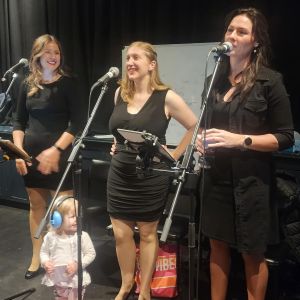
- Programs such as The Vocal Muster in Wingecarribee offer inclusive, high-quality participation opportunities for singers across multiple age groups and experience levels.
Recommendations and Opportunities for Government Action
Drawing on both regional experience and international best practice, STA recommends the following:
- Regional Live Music Funding Frameworks
Establish dedicated funding streams that support:
- Artist fees
- Venue programming
- Infrastructure upgrades
- Regional touring circuits
- Ever increasing costs of insurance, security and infrastructure.
Internationally, targeted regional live music investment has proven effective in retaining talent and stimulating local economies.
- Touring and Circuit Support Models
Support structured touring pathways that connect regional towns, reducing financial risk for presenters and ensuring consistent work for musicians.
- Regional Music Education and Career Pathways
- Develop regional tertiary-aligned music training options
- Invest in industry skills development, including music business and digital distribution
- Rehearsal and Performance Infrastructure
Provide capital and operational funding to establish affordable rehearsal spaces and adaptable performance venues in regional centres.
- Networking and Industry Development
Fund regional showcases, mentorship programs and professional exchanges to connect regional musicians with state and national music industries.
Conclusion and Call to Action
Southern Tablelands Arts is strongly placed to support the implementation of policy and administer funding and programs to improve the situation for musicians and live music venues across the STA Region. STA is one of 15 regional arts development organisations that form the Regional Arts Network that covers regional NSW. The STA Music page at the STA website is a proven platform for the local music industry and can be harnessed to maximise outcomes from this inquiry.
STA strongly urges the Inquiry to ensure that regional NSW is explicitly considered in all findings, recommendations and resulting policies.
Live music in regional NSW is not lacking in talent, creativity or audience interest—it is constrained by systemic barriers that can be addressed through thoughtful, place-based policy and investment.
With coordinated government support, regional musicians can earn sustainable incomes, venues can thrive, and communities can experience the cultural, social and economic benefits of a vibrant live music ecosystem.
STA stands ready to work with government, councils and the sector to help realise this vision.
Do you have something to say about live music in your town – Now is the time to be heard.
Make a submission to the NSW Parliament inquiry into the State of Live Music in NSW . Closes 27 Feb. Find out more and add your voice NOW

We acknowledge Aboriginal people as the traditional custodians of the lands where we create, live & work.
© 2026 Southern Tablelands Arts. All Rights Reserved